
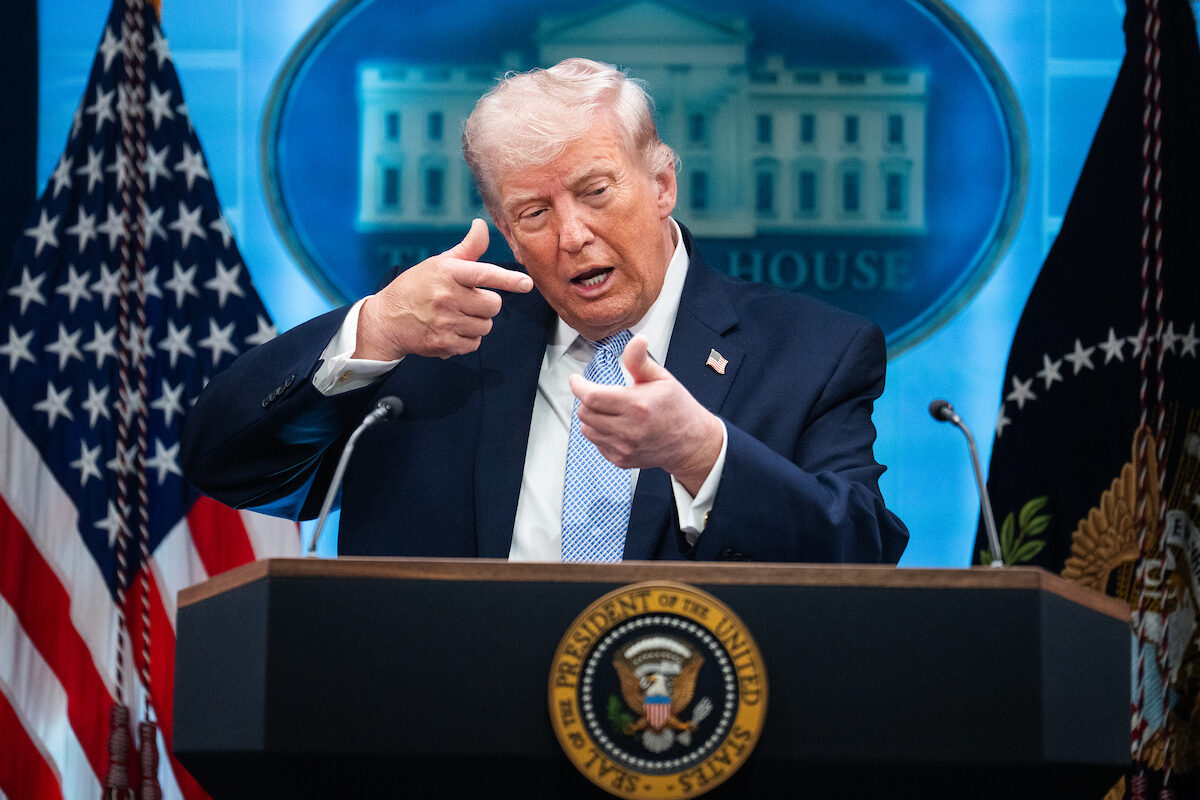
In a stunning late-night announcement on April 7, 2026, President Donald Trump revealed a two-week ceasefire agreement with Iran—just 90 minutes before his self-imposed 8 p.m. ET deadline that had threatened devastating strikes on the Islamic Republic.
The move has sent shockwaves through global markets, eased fears of wider Middle East chaos, and raised hopes for longer-term peace talks. But what exactly did Trump say, why now, and what does it mean for the region and the world? Here’s a clear, no-spin breakdown of Trump’s ceasefire announcement.
The Announcement: Trump’s Truth Social Bombshell
President Trump took to Truth Social to declare the pause in hostilities, writing:
“Based on conversations with Prime Minister Shehbaz Sharif and Field Marshal Asim Munir of Pakistan… I agree to suspend the bombing and attack of Iran for a period of two weeks… subject to the Islamic Republic of Iran agreeing to the COMPLETE, IMMEDIATE, and SAFE OPENING of the Strait of Hormuz. This will be a double-sided ceasefire.”
He added that the U.S. had already met its military objectives and received a “workable” 10-point peace proposal from Iran that could form the basis for a longer-term deal.
The timing was pure drama. Just hours earlier, Trump had warned that failure to reach a deal by the deadline would mean “a whole civilization will die tonight, never to be brought back again.” The reversal came after intense back-channel diplomacy involving Pakistan, which has been quietly mediating between Washington and Tehran.
Why the Strait of Hormuz? The Economic Heart of the Crisis
The entire standoff centered on one narrow stretch of water: the Strait of Hormuz.
This 21-mile-wide chokepoint between Iran and Oman carries about 20% of the world’s oil supply and a huge chunk of liquefied natural gas. Iran had effectively shut it down amid the fighting, sending global energy prices skyrocketing and threatening a worldwide economic ripple effect.
By conditioning the ceasefire on Iran immediately reopening the strait to safe commercial shipping, Trump turned a military crisis into an economic win for the West. Iran’s Foreign Minister Abbas Araghchi quickly confirmed Tehran’s acceptance, stating that if U.S. attacks stopped, Iran would honor the two-week truce and open the waterway.
Market Reaction: Oil Prices Plummet Overnight
Wall Street cheered instantly. U.S. benchmark West Texas Intermediate crude dropped more than 13% in the hours following the news, easing pressure on gas prices and global supply chains.
Traders called it a classic Trump-style deal: maximum pressure followed by a pragmatic off-ramp.
Background: How We Got Here
The current U.S.-Iran-Israel conflict escalated earlier in 2026, building on the fragile ceasefire that ended the 2025 Twelve-Day War. Tensions boiled over when Iran restricted shipping through the Strait of Hormuz, prompting Trump’s ultimatum.
Critics on the left slammed the president’s earlier rhetoric as reckless and potentially in violation of international norms. Supporters praised it as classic “peace through strength”—the same approach that produced the Abraham Accords during his first term.
Iran’s Response and the Road Ahead
Iran described the deal as a temporary measure, not the end of the war, but signaled willingness to negotiate further in Islamabad starting this Friday. Both sides appear to see the two-week window as breathing room to hammer out a more permanent agreement based on Iran’s 10-point proposal.
That said, early reports noted scattered missile activity in the Gulf and Israel even after the announcement, reminding everyone that ceasefires in the Middle East are often fragile.
What This Means for the Middle East and Beyond
- For the U.S.: Trump scores a diplomatic victory without the massive escalation many feared. It reinforces his image as a deal-maker who can de-escalate while protecting American interests.
- For Iran: A chance to reopen vital shipping lanes, reduce immediate pressure on its economy, and keep negotiating from a less isolated position.
- For the world: Lower energy prices, reduced risk of a wider war that could have dragged in more nations, and a reminder that great-power diplomacy still matters.
- For Pakistan: Quietly emerging as a key mediator, boosting its regional influence.
Of course, two weeks is a short fuse. Success depends on whether Iran fully reopens the strait, whether Israel holds its fire, and whether the 10-point plan can bridge decades of mistrust.
Final Thoughts: A Masterclass in Pressure and Pragmatism?
Trump’s ceasefire announcement didn’t come from weakness—it came after the U.S. had “met and exceeded all military objectives,” as the president put it. In classic Trump fashion, he combined tough talk with a face-saving exit ramp that gives everyone time to talk instead of fight.
Whether this two-week pause becomes the foundation for lasting peace in the Middle East or just another short chapter in a long conflict remains to be seen. But for now, markets are calmer, tankers may soon sail again through the Strait of Hormuz, and the world is breathing a collective sigh of relief.
What do you think? Is this a genuine breakthrough or a temporary pause? Drop your thoughts in the comments.