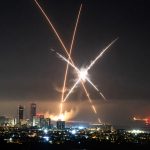

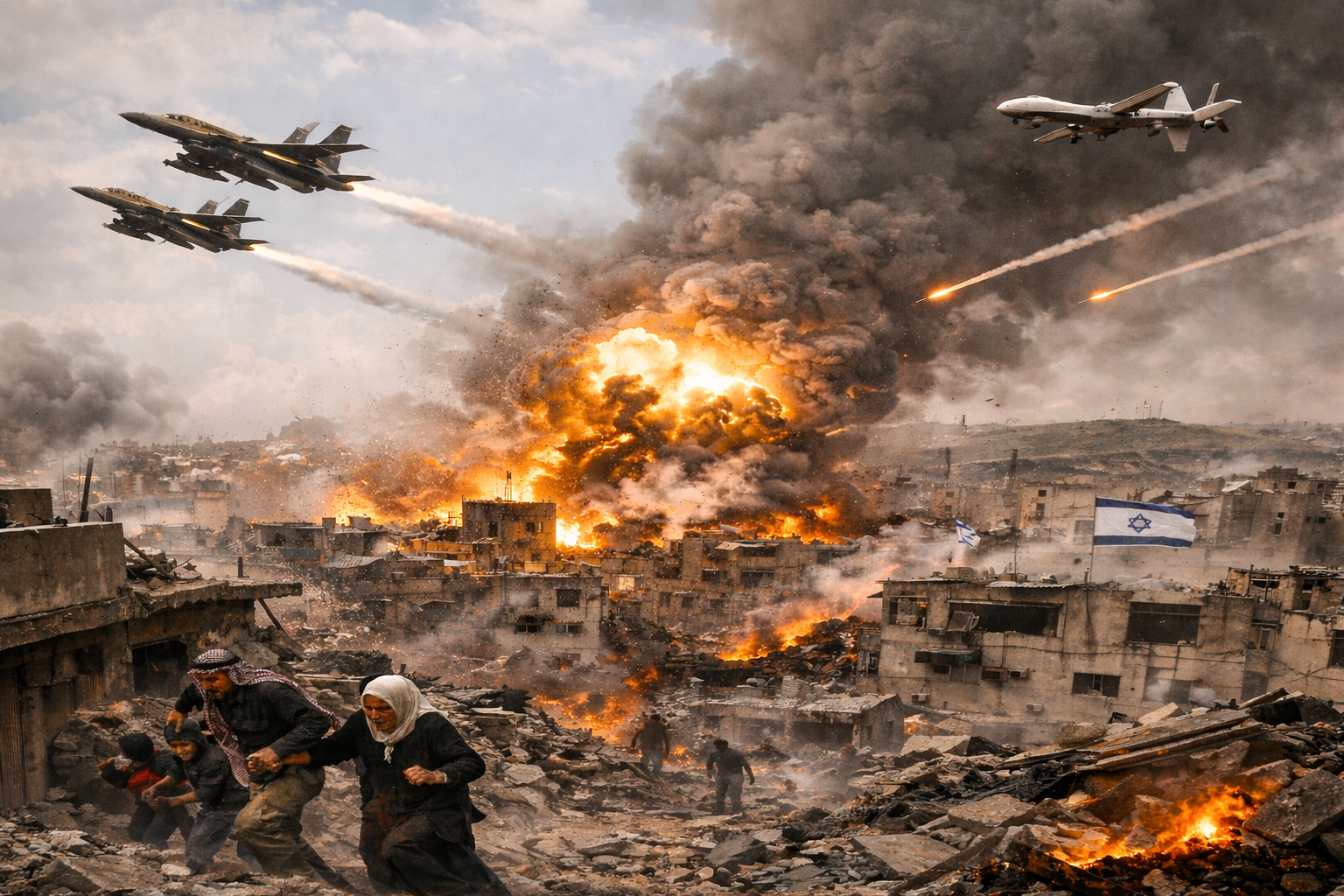
The Middle East is once again on a knife-edge. Just hours after the United States and Iran announced a fragile two-week ceasefire, Israel unleashed one of the most intense bombardments Lebanon has seen in this conflict. On April 8, Israeli forces carried out more than 100 airstrikes across Lebanon in a lightning 10-minute operation—the largest coordinated attack since the war escalated in early March.
Lebanon’s health ministry reports at least 182 to 254 people killed and over 1,165 injured in a single day, with many strikes hitting densely populated areas in Beirut and southern Lebanon. Hospitals are overwhelmed, blood supplies are critically low, and the country has declared April 9 a national day of mourning.
As a blogger following the region closely, it’s hard not to feel the weight of these numbers. Families torn apart, entire neighborhoods reduced to rubble—again. This isn’t abstract geopolitics; it’s human lives hanging in the balance.
What Exactly Happened in Israel’s Attack on Lebanon?
According to the Israel Defense Forces (IDF), the operation targeted over 100 Hezbollah command centers, military infrastructure sites, and rocket-launching positions. Israeli officials, including Prime Minister Benjamin Netanyahu, were clear: the US-Iran ceasefire does not apply to their operations against Hezbollah in Lebanon. They described the strikes as necessary to neutralize ongoing threats.
The scale was staggering. Fifty Israeli fighter jets reportedly took part, hitting targets from Beirut’s southern suburbs to the Bekaa Valley and border areas. Lebanese officials and eyewitnesses say many strikes landed in residential zones, with apartment buildings and civilian infrastructure damaged.
Hezbollah, which had largely held fire since the US-brokered truce with Iran, responded swiftly. Early on April 9 (today), the group fired rockets at northern Israel, specifically targeting the kibbutz of Manara near the border. In a statement, Hezbollah called it a direct response to “Israeli ceasefire violations” and Israel’s “biggest attack on Lebanon in this war.”
This marks the first Hezbollah attack on Israel since the US-Iran deal was announced.
Why Now? The Fragile Ceasefire That Wasn’t
The timing couldn’t be more explosive.
On April 7-8, President Trump’s administration brokered a temporary halt to direct US-Iran hostilities after weeks of intense fighting that began in late February 2026. Both sides claimed victory, and the world breathed a sigh of relief—until Israel made it clear the truce didn’t cover its campaign against Hezbollah.
Iran has warned that continued Israeli strikes on Lebanon could derail the entire agreement. Tehran has already threatened to close the Strait of Hormuz again, a move that would send oil prices skyrocketing and risk dragging Gulf states deeper into the conflict.
Lebanese Prime Minister Nawaf Salam has mobilized diplomatic efforts to “stop the Israeli killing machine,” while the UN human rights chief called the attacks “horrific” so soon after the ceasefire announcement.
The Human Cost: Stories from the Ground
Reports from Beirut paint a grim picture. Rescue workers are pulling bodies from collapsed buildings. The Lebanese Red Cross says blood banks are running dry as casualties pour into hospitals already strained from months of fighting. One hospital administrator in Beirut described the scene as “a nightmare.”
Meanwhile, in Gaza—where separate Israeli strikes also occurred—Al Jazeera journalist Muhammad Washah was among four killed in an airstrike on a coastal road in Gaza City. These incidents underscore how the violence refuses to stay contained to one front.
What This Means for the Region and the World
- Ceasefire Collapse Risk: The US-Iran deal was always shaky. Israel’s actions have put it under immediate strain, with Iran accusing Washington of failing to rein in its ally.
- Hezbollah’s Response: Today’s rocket barrage signals Hezbollah won’t sit idle. Further escalation could pull Israel into a two-front war again.
- Global Ripple Effects: Oil markets are already jittery. A closure of the Strait of Hormuz would be catastrophic for energy prices worldwide. Humanitarian aid to Lebanon and Gaza is now even more urgent.
- Civilian Toll: Both sides claim they target only military assets, yet the death toll tells a different story. International observers are calling for independent investigations into possible violations of international law.
Looking Ahead: Is De-escalation Still Possible?
As of April 9 morning, no new major Israeli strikes have been reported, but tensions remain sky-high. The ball is now in multiple courts—Washington’s ability to pressure Israel, Iran’s restraint, and Hezbollah’s next moves.
History shows these flashpoints can either fizzle out through back-channel diplomacy or spiral into something far worse. Right now, the region feels one miscalculation away from disaster.
What do you think? Will the US-Iran ceasefire hold, or are we watching the start of a dangerous new chapter? Drop your thoughts in the comments below—I read every one
Stay informed. Stay human.