

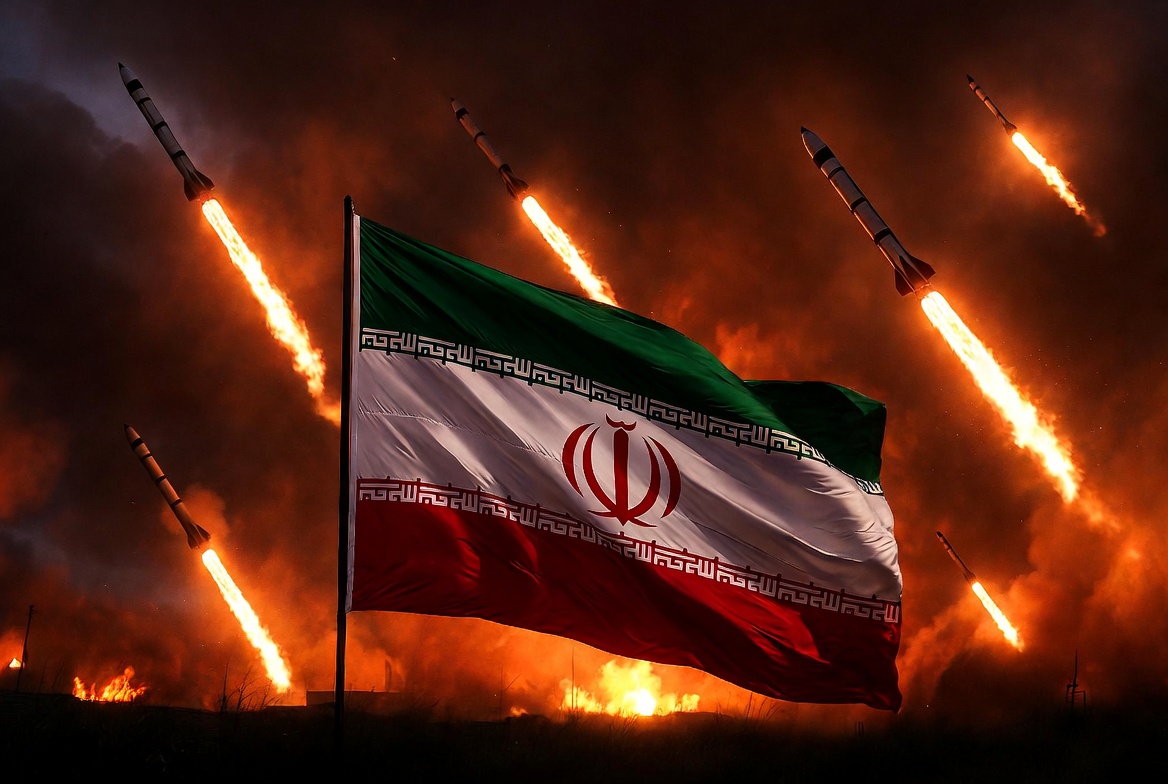
As President Donald Trump warns that “a whole civilisation will die tonight” unless Iran reopens the Strait of Hormuz, Tehran fires back with stern threats of retaliation, missile strikes, and a firm rejection of any short-term deal. Here’s what we know right now on April 7, 2026.
In one of the most tense nights in recent Middle East history, Iran has hit back hard at US President Donald Trump’s dramatic ultimatum. Just hours after Trump posted on Truth Social that “a whole civilisation will die tonight” if no deal is reached by his 8pm EDT deadline, Iranian officials and military leaders issued crystal-clear warnings: any attack on civilian infrastructure will be met with swift, matching retaliation.
The Iranian response is not just words. State media reports fresh missile and drone barrages targeting Israeli positions and US-linked sites in the Gulf, while diplomats slam Trump’s rhetoric as a “criminal mindset” that crosses every red line.
What Exactly Did Iran Say? Key Statements from Tehran
Iran’s Foreign Ministry spokesperson Esmail Baghaei delivered the strongest message yet:
“Our armed forces have made it clear that in case Iran’s infrastructure is attacked, we would react in kind. Our armed forces would target any similar infrastructure that is owned or in any way related to the United States or contributes to their act of aggression against Iran.”
This “in-kind” policy means Iran is prepared to strike American or allied power plants, bridges, or oil facilities if the US follows through on threats to hit civilian targets inside Iran.
Senior Iranian military spokesperson Col. Ebrahim Zolfaqari went further, warning of “crushing, broader, and more destructive” attacks if the US or Israel escalates. He described Iran’s restraint so far as strategic, but stressed that patience has limits.
Tehran’s mission to the United Nations added a stark appeal to the world:
“Once again, the US president openly threatens to destroy infrastructure essential to civilian survival in Iran. The international community must act now. Tomorrow is too late.”
On the Ground: Iran’s Military Moves Speak Louder Than Words
While diplomats talk, Iran’s Revolutionary Guard Corps (IRGC) has already acted. Reports confirm new waves of missiles and drones launched toward Israel and several Gulf states following Trump’s latest post. Iranian state TV showed footage of explosions and claimed successful hits on strategic targets.
Inside Iran, authorities have called on civilians — especially young people — to form human chains around power plants and key infrastructure to act as human shields against potential US or Israeli strikes.
On the diplomatic front, Iran has cut off all direct communications with the United States, though back-channel talks through mediators in Pakistan, Egypt, and Turkey are reportedly still active. Tehran insists the Strait of Hormuz will only reopen after the US and Israel pay reparations for damages caused by the war and guarantee a full, permanent ceasefire.
Why Iran Is Holding Firm: The Bigger Picture
For Iran, this isn’t just about one deadline — it’s about survival after weeks of devastating strikes. The country has lost thousands of lives, seen its oil exports crippled, and watched key infrastructure damaged. Officials repeatedly say they want an end to the war, but not at the cost of short-term capitulation or temporary truces that could restart the fighting later.
A senior adviser to the Iranian president, Seyyed Mehdi Tabatabaei, summed it up: the strait stays closed until Iran gets concrete security guarantees and compensation.
Global Shockwaves and What Happens Next
As the deadline approaches, the world is holding its breath. Oil prices remain sky-high, global markets are jittery, and Gulf nations are on maximum alert. Democratic critics in the US have called Trump’s language “genocidal,” while allies watch nervously for any spark that could widen the conflict.
Will Iran blink before 8pm EDT? Or will Trump’s warning trigger the very escalation he claims to want to avoid? Right now, Tehran’s message is loud and clear: we will not be bullied.
Live updates continuing — keep refreshing for the latest on Iran’s response to Trump’s warning, missile strikes, Strait of Hormuz developments, and the unfolding US-Iran-Israel crisis.
What do you think — is this the moment diplomacy finally wins, or are we heading toward even darker days in the Middle East? Drop your thoughts below and stay tuned.