
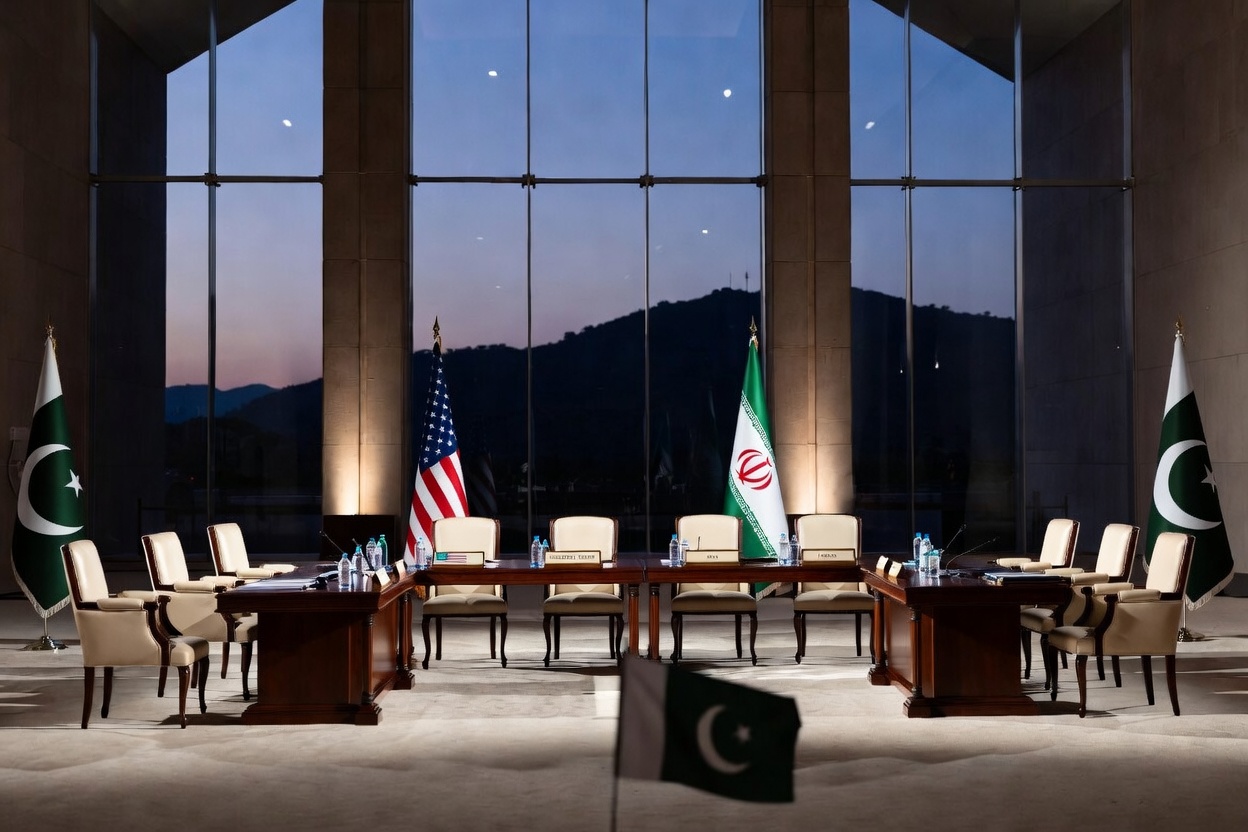
In a landmark diplomatic moment that has captured global attention, the United States and Iran are set to hold direct talks in Islamabad, Pakistan, starting Friday, April 10, 2026. This Iran US meeting in Islamabad marks the first high-level, in-person engagement between the two nations since the 1979 Islamic Revolution—and it’s happening right here in Pakistan’s capital.
As tensions from the recent US-Israel conflict with Iran simmer down under a two-week ceasefire, all eyes are on Islamabad. Could this be the breakthrough the region desperately needs, or will deep-seated mistrust derail the process? Let’s break it down.
Background: From Conflict to Ceasefire
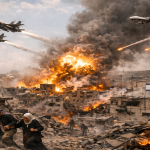
The road to these US-Iran talks in Islamabad has been anything but smooth. In recent weeks, coordinated US and Israeli strikes on Iran escalated into a broader conflict, resulting in significant casualties, disruptions to global oil shipments through the Strait of Hormuz, and skyrocketing energy prices worldwide. Iran’s Supreme National Security Council confirmed it accepted a two-week ceasefire proposed through back-channel diplomacy, with negotiations now moving to Pakistan’s capital.
Pakistan Prime Minister Shehbaz Sharif played a pivotal role, extending a formal invitation to both delegations after intense behind-the-scenes efforts. In a statement on X (formerly Twitter), Sharif thanked the US and Iran and urged them to use Islamabad as a neutral ground “to further negotiate for a conclusive agreement to settle all disputes.” This ceasefire, effective immediately, buys precious time for diplomacy before the clock runs out.
Pakistan’s mediation isn’t new—it built on months of indirect talks where Islamabad relayed messages between Washington and Tehran. With strong ties to both countries (and the broader Muslim world), Pakistan emerged as the perfect bridge when direct communication seemed impossible.
Why Islamabad? Pakistan’s Role as Peacemaker
Hosting the Iran US meeting in Islamabad is a massive diplomatic win for Pakistan. The country has positioned itself as a reliable mediator in one of the world’s most volatile regions. PM Sharif and Army Chief Gen. Asim Munir personally engaged with US President Donald Trump to secure the two-week pause, demonstrating Islamabad’s growing influence on the global stage.
Foreign Minister Ishaq Dar highlighted Pakistan’s efforts in the Senate, noting how the nation helped de-escalate when strikes threatened to derail talks. For Pakistan, success here means more than just prestige—it could stabilize energy markets, boost its image as a diplomatic powerhouse, and open doors for economic partnerships.
Islamabad is buzzing with preparations: heavy security, VIP protocols, and full media coverage. Local hotels and venues are on high alert as international delegations arrive.
Who’s Attending the High-Level Talks?
The US delegation is led by none other than Vice President JD Vance—the highest-ranking US official to visit Pakistan in over a decade. He’ll be joined by Trump’s Special Envoy Steve Witkoff and senior advisor Jared Kushner. This heavyweight team signals Washington’s serious intent to reach a deal.
On the Iranian side, senior officials from Tehran’s Supreme National Security Council and foreign ministry are expected. President Masoud Pezeshkian has publicly confirmed Iran’s participation, praising Pakistan’s facilitation. Iran has made it clear that talks will center on its 10-point proposal, which includes:
- Recognition of Iran’s right to uranium enrichment
- Lifting of all US sanctions
- Guarantees against future attacks
- Controlled passage through the Strait of Hormuz (with potential transit fees)
- Protection for regional proxies
The US, meanwhile, is pushing its own priorities: dismantling key nuclear sites, ending support for groups like Hezbollah, and ensuring safe global oil flows.
What’s on the Agenda for the Iran-US Meeting in Islamabad?
Expect intense discussions over the next 15 days (with possible extensions). Key flashpoints include:
- Nuclear program and sanctions relief: Can the two sides revive elements of the old JCPOA framework?
- Strait of Hormuz security: Critical for 20% of global oil—any disruption here sends shockwaves to economies everywhere.
- Regional de-escalation: Ending proxy conflicts and addressing Israel-Iran tensions.
- Long-term guarantees: Building trust to prevent future flare-ups.
Pakistan will mediate, with support from allies like Turkey, Egypt, and Saudi Arabia. Early reports suggest the atmosphere is cautious but hopeful—though one Iranian envoy’s deleted social media post briefly sparked rumors of cold feet (quickly clarified as internal coordination).
Potential Outcomes and Global Implications
If successful, these talks could deliver a durable peace agreement, ease oil prices, and stabilize the Middle East. Failure, however, risks renewed conflict—with devastating consequences for civilians and global markets.
For Pakistan, a positive outcome would cement its reputation as a diplomatic heavyweight. For the US and Iran, it’s a rare chance to step back from the brink after weeks of escalation.
Analysts are watching closely: Will America’s credibility hold as Vance leads from the front? Can Iran’s 10-point plan align with US demands? The world is holding its breath.
A Moment of Hope for Peace
As delegations touch down in Islamabad this week, the Iran US meeting in Islamabad represents more than just another round of negotiations—it’s a testament to quiet diplomacy in a noisy world. Pakistan has shown that even unlikely mediators can make history.
Whether these talks lead to a historic deal or simply extend the fragile ceasefire, one thing is clear: Islamabad is now at the center of global diplomacy. Stay tuned as developments unfold—this could be the turning point the region has been waiting for.
What do you think—will these talks succeed in bringing lasting peace? Share your thoughts in the comments below. For more on Middle East diplomacy, Pakistan’s foreign policy, and breaking international news, bookmark this page and follow our updates.