

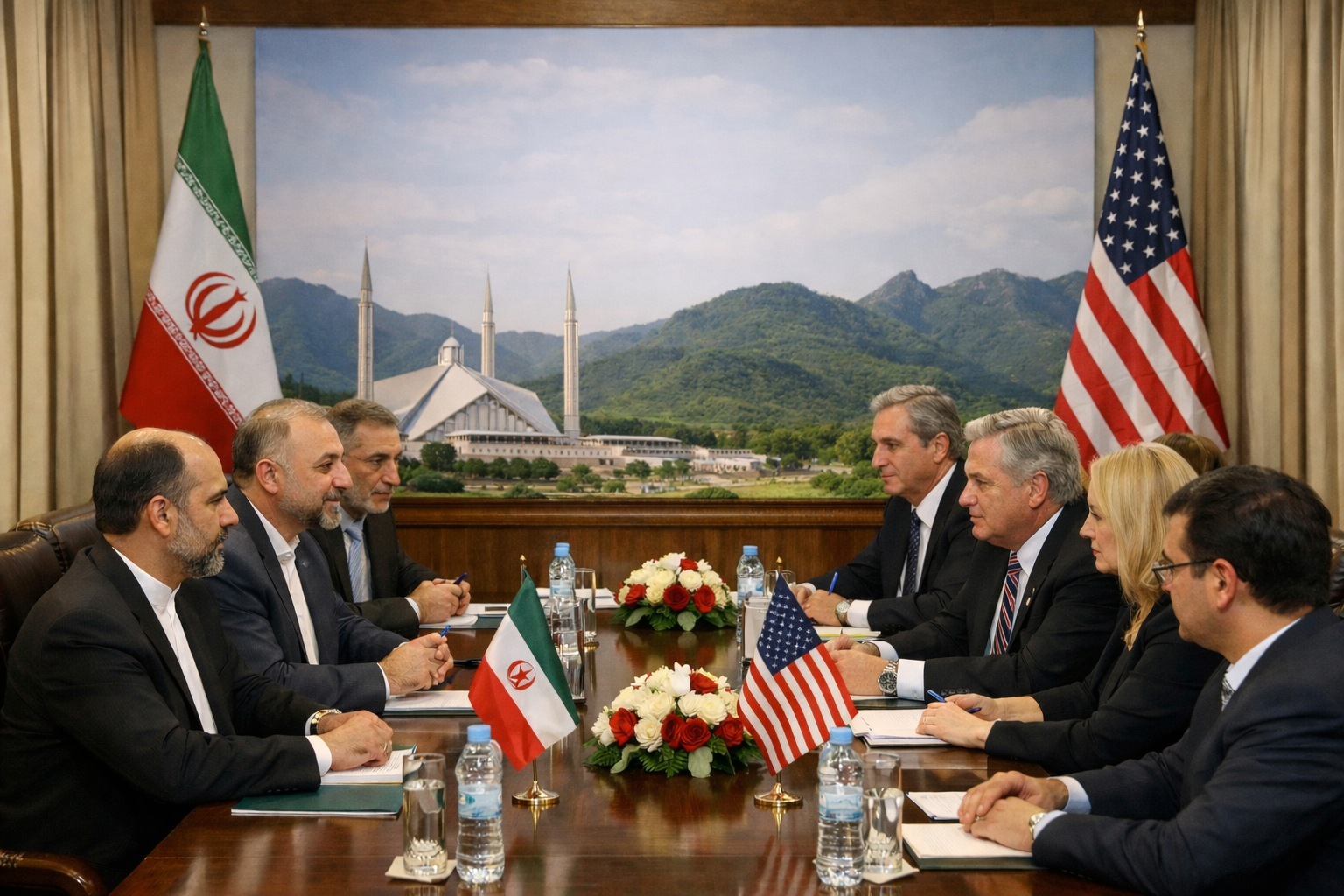
As the two-week ceasefire between the United States, Israel, and Iran approaches its expiration on April 22, 2026, diplomatic momentum is building for a critical second round of direct negotiations. With the truce hanging in the balance, both sides are preparing for fresh talks—widely expected to be hosted once again in Islamabad, Pakistan—to work toward a lasting peace agreement. This upcoming phase follows the first round in Islamabad earlier this month, which ended without a breakthrough and left global energy markets and regional stability in suspense.
For anyone tracking Middle East geopolitics, the stakes are enormous. A successful second round could bring an end to nearly seven weeks of intense conflict that erupted with U.S. and Israeli strikes on February 28, 2026, while reshaping Iran’s nuclear program, sanctions relief, and access to vital shipping routes. Failure, however, could spark renewed escalation. Here’s a clear, fact-based overview of the current situation, drawn from the latest statements by mediators, U.S. officials, and international reports.
Background: From Nuclear Discussions to Conflict and Ceasefire
U.S.-Iran talks did not begin in April 2026. Indirect negotiations aimed at reviving key elements of the 2015 nuclear deal (JCPOA) have been ongoing since April 2025, primarily facilitated in Muscat and Geneva. These covered uranium enrichment limits, IAEA inspections, sanctions relief, and Iran’s regional activities.
Tensions escalated into open conflict in late February 2026. After earlier rounds stalled, U.S. and Israeli forces carried out extensive strikes on Iranian nuclear and military targets. The resulting war led to significant casualties across Iran, Lebanon, and surrounding areas. A fragile two-week ceasefire took effect on April 7, halting major hostilities in the Gulf while allowing limited Israeli operations in Lebanon—a point of ongoing friction for Tehran.
The ceasefire opened a narrow window for renewed diplomacy, with Pakistan emerging as a central player thanks to its relationships with both Washington and Tehran.
The First Round: What Happened in Islamabad?
The initial face-to-face talks, known as the Islamabad Talks, occurred on April 11-12, 2026. The U.S. delegation was led by Vice President JD Vance, supported by special envoys Steve Witkoff and Jared Kushner. Iran’s team included Foreign Minister Abbas Araghchi and Parliament Speaker Mohammad Bagher Ghalibaf.
After more than 20 hours of intensive discussions, no agreement was reached. U.S. officials stated that Iran did not meet key demands, especially regarding nuclear weapons guarantees. Iranian representatives countered that they presented constructive proposals, but trust-building measures fell short. Reports also pointed to internal divisions within the Iranian side, with hardliners reportedly influencing the outcome.
Despite the deadlock, neither party fully closed the door. Back-channel communications continued, paving the way for this next phase.
Upcoming Second Round of Iran-US Talks: Timing, Location, and Momentum
Pakistan is playing a leading role in the mediation process. On April 16, 2026, Pakistan’s Army Chief Field Marshal Asim Munir arrived in Tehran at the head of a high-level delegation, carrying fresh messages from Washington and aiming to finalize arrangements for the next round.
The White House has sounded cautiously optimistic. Officials describe the prospects for a deal as “good,” with a second round “very likely” to take place again in Islamabad. President Donald Trump has indicated that negotiations could resume soon, noting that the conflict is “very close to being over” and highlighting Pakistan’s importance as the venue.
No firm date has been set yet, but sources suggest talks could occur within a tight window before the April 22 deadline. Pakistani officials are also engaging with Qatar, Saudi Arabia, and Türkiye to build broader support, while Turkey’s President Recep Tayyip Erdogan has voiced backing for extending ceasefire discussions. Other involved parties include Qatar, Egypt, and Oman.
Key Sticking Points in the Negotiations
Several major issues are expected to dominate the upcoming round:
- Strait of Hormuz and Shipping Access: The U.S. insists on the full reopening of the Strait of Hormuz, a critical chokepoint for roughly one-fifth of global oil and LNG. Iran’s control over traffic during the conflict has caused widespread economic disruption. The U.S. maintains a naval blockade of Iranian ports and has warned it will continue enforcement measures.
- Iran’s Nuclear Program: Washington and Israel demand clear limits on uranium enrichment, unrestricted IAEA access, and firm assurances against weaponization. Iran maintains its program is peaceful and compliant with the Nuclear Non-Proliferation Treaty (NPT), offering potential concessions like diluting enriched uranium stockpiles in return for sanctions relief.
- Sanctions Relief and Regional Influence: Iran seeks easing of economic sanctions and access to frozen assets. The U.S. links any agreement to curbs on Tehran’s support for its network of regional allies. U.S. officials have also stressed that the Iranian delegation must come with full authority from Tehran’s leadership.
- Broader Regional Truce: Differences persist over whether the ceasefire fully covers Lebanon, with Israel and the U.S. treating certain actions separately from the main agreement.
Defense Secretary Pete Hegseth has warned that pressure, including potential further strikes, will continue unless Iran makes constructive choices.
Why This Second Round Matters: Global and Regional Implications
Success in the talks could calm energy markets, restore safe passage for shipping, and prevent a return to full-scale war. On the other hand, continued impasse risks not only renewed fighting but also higher oil prices and wider economic ripple effects.
Pakistan’s active role as a neutral mediator has proven vital. Its leadership is working intensely to narrow gaps, while the experienced U.S. team brings continuity to the process.
Both Washington and Tehran appear motivated to find common ground and avoid further escalation. President Trump has repeatedly expressed openness to an agreement, and Iranian officials continue to affirm their commitment to diplomacy despite internal debates.
Looking Ahead: Can the Second Phase Deliver Results?
With Pakistani diplomats shuttling proposals between Tehran and Washington, the coming days are likely to be decisive. The second round of Iran-US negotiations offers the strongest near-term opportunity to transform a shaky ceasefire into a sustainable peace.
Whether discussions remain focused on the nuclear issue and the Strait of Hormuz—or broaden to include sanctions and regional proxies—will become clearer soon. One thing is certain: the international community is watching closely. A deal could reshape the Middle East for years to come; its absence might reignite a conflict with far-reaching consequences.
Updates from Islamabad and Tehran are expected shortly. For the moment, the combination of White House optimism and active shuttle diplomacy points to one clear reality: the second round is not only possible—it is imminent.