

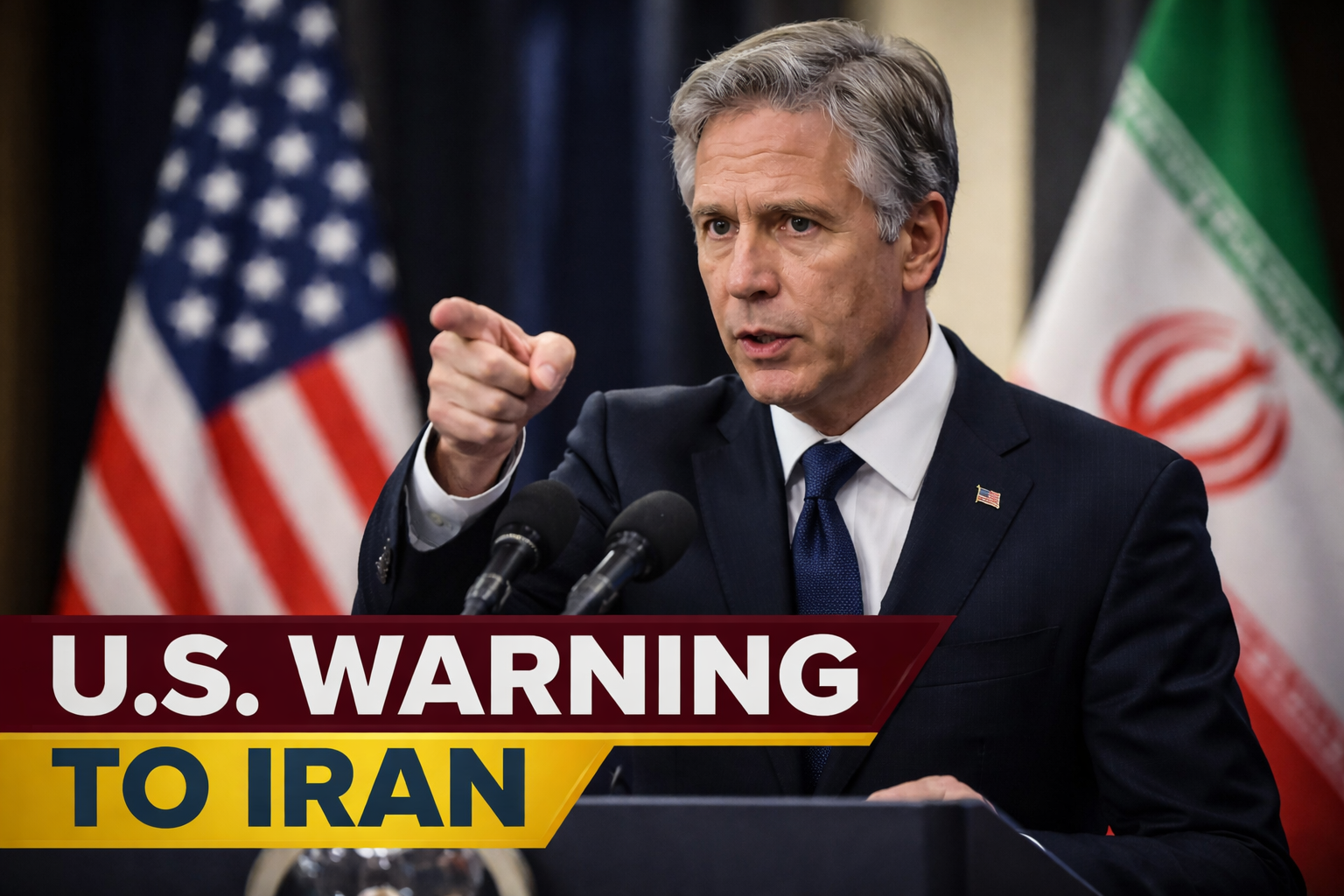
On April 16, 2026, the United States issued one of its strongest public warnings to Iran yet. Speaking from the Pentagon, Defense Secretary Pete Hegseth told Iranian leaders they must “choose wisely” on accepting a peace deal — or face renewed U.S. strikes on energy infrastructure, power plants, and the ongoing naval blockade of the Strait of Hormuz. With the fragile two-week ceasefire set to expire on April 22, this latest American warning to Iran has sent ripples through global markets and increased urgency around the upcoming second round of negotiations in Islamabad.
For anyone following the Iran-US conflict, today’s message wasn’t subtle. It came as the U.S. continues to enforce a naval blockade that has already turned back multiple Iranian-linked ships, while diplomatic efforts intensify to prevent a return to open war. Here’s a clear, fact-based look at what the U.S. warning means, why it was issued today, and what could happen next.
What Exactly Did the U.S. Say on April 16?
During a high-profile Pentagon briefing, Secretary Hegseth left little room for interpretation. He stated that the U.S. military remains “locked and loaded” and is prepared to target Iran’s energy sites, electrical grid, and power infrastructure if Tehran fails to reach an agreement before the ceasefire ends.
Key quotes from the briefing include:
- “If Iran chooses poorly, then they will have a blockade and bombs dropping on infrastructure, power, and energy.”
- “We are watching you… Our capabilities are not the same.” (referring to Iran’s severely degraded military)
- “You can’t control anything” — a pointed reminder of U.S. dominance in the region.
Hegseth was joined by Joint Chiefs Chairman Gen. Dan Caine, who echoed that Iran would face “no fair fight” if hostilities resume. The warning was timed just days before the April 22 deadline and as back-channel talks continue through Pakistan.
Why This Warning Matters Right Now
The timing is no coincidence. The current ceasefire, announced on April 7, has paused major fighting but left core issues unresolved — especially control of the Strait of Hormuz, Iran’s nuclear program, and sanctions relief. The U.S. maintains a sweeping naval blockade of Iranian ports, which has already disrupted shipping and energy exports.
President Trump has repeatedly said the war is “very close to being over” and expressed optimism about a deal. However, today’s Pentagon statements make it crystal clear: Washington is not bluffing about resuming strikes if the second round of direct talks in Islamabad fails to deliver results.
This isn’t the first U.S. warning, but it is the most explicit since the ceasefire began. Earlier threats from the Trump administration focused on power plants and bridges; today’s message ties the pressure directly to the fast-approaching April 22 expiry date.
Iranian Side and the Bigger Picture
Iran has pushed back strongly in recent days, issuing its own threats about the Strait of Hormuz and rejecting what it calls unrealistic U.S. demands. Tehran insists its nuclear program is peaceful and continues to call for full sanctions relief in exchange for any concessions.
Meanwhile, global implications are significant:
- Oil prices have fluctuated wildly since the blockade tightened.
- Shipping companies are rerouting vessels to avoid the Persian Gulf and Red Sea risks.
- The region remains tense, with separate Israeli actions in Lebanon adding complexity to the broader truce.
Pakistan’s Army Chief Field Marshal Asim Munir is currently in Tehran carrying messages from Washington, while other mediators in Qatar, Oman, and Egypt try to keep momentum alive for the next round of talks.
What Happens If the Warning Is Ignored?
U.S. officials have stressed that Iran’s military has been significantly weakened after weeks of strikes during “Operation Epic Fury.” CENTCOM reports complete air dominance and the dismantling of much of Iran’s missile production and naval capabilities. Hegseth’s team believes this gives the U.S. overwhelming leverage heading into the final days of the ceasefire.
A failure to reach a deal could mean:
- Immediate resumption of targeted strikes on energy and power sites.
- Continued (or expanded) blockade of the Strait of Hormuz.
- Further economic isolation for Iran.
But both sides still appear motivated to avoid full-scale war again. The White House has described prospects for a deal as “good,” and Iranian officials have not ruled out further negotiations despite their tough public stance.
Looking Ahead: Will the Warning Push a Breakthrough?
Today’s U.S. warning to Iran on April 16, 2026, serves as a high-stakes reminder that the clock is ticking. With the ceasefire deadline just six days away, the focus now shifts squarely to the second round of talks in Islamabad.
Whether Hegseth’s blunt message forces quicker concessions or hardens positions remains to be seen. What is certain is that the world is watching closely. A successful deal could stabilize energy markets and bring lasting calm to the region. Failure risks pulling everyone back into conflict with consequences far beyond the Middle East.
Updates are expected in the coming hours from both Washington and Tehran. For now, the message from the Pentagon is loud and clear: the choice — and the consequences — rest with Iran.